1705
Augmented Reality App
What does it mean to memorialize a familial legacy when the physical site of that history is no longer yours? How might augmented reality (AR) become a tool for archiving not only space, but also memory, displacement, and cultural inheritance? These questions emerged from my response to The White Lotus and its romanticized representations of Hawaiʻi as a site of leisure, paradise, and escape. The series prompted me to consider the tension between these contemporary images of Hawaiʻi and the layered histories of colonization, imperialism, tourism, and displacement that complicate such narratives.
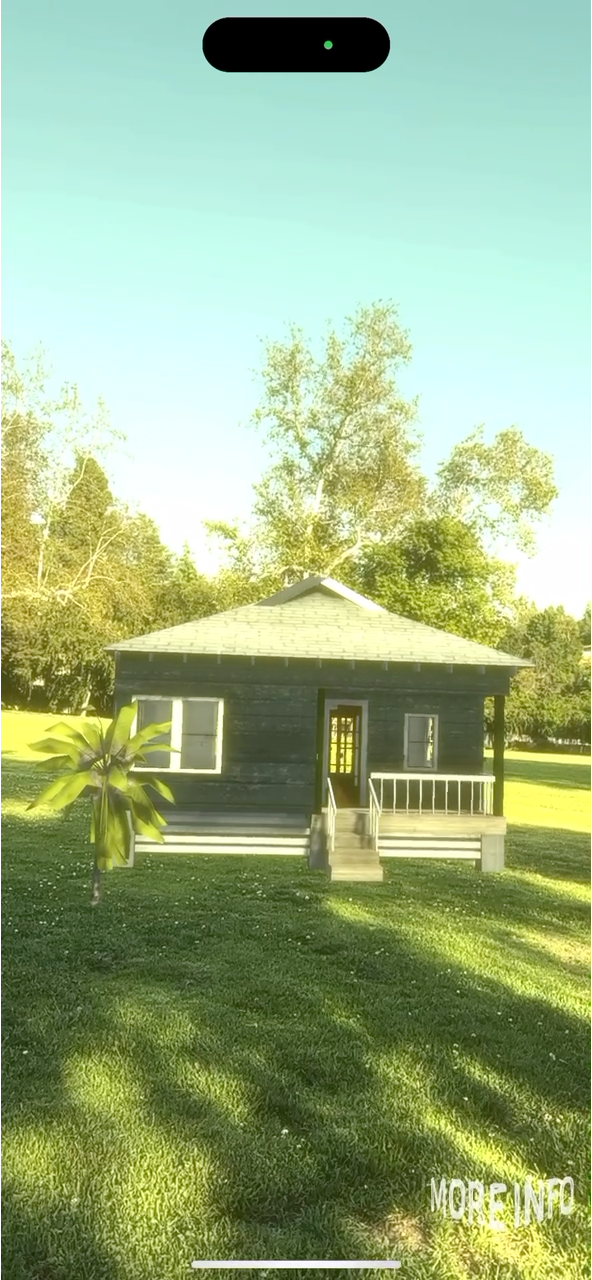
1705 E Vineyard Street is the address of my grandmother’s former home in Hawaiʻi, a place that once held generations of my family history but is no longer in our possession. Although I cannot physically return to or claim the property, I began to consider whether digital space could offer another form of access—one grounded not in legal ownership, but in memory, inheritance, and emotional attachment. Using Google Street View imagery as source material, I reconstructed a three-dimensional digital model of the house. This process transforms an externally documented image of the property into a subjective digital archive, raising questions about who has the ability to preserve, represent, and inhabit a place after physical ownership has been lost.
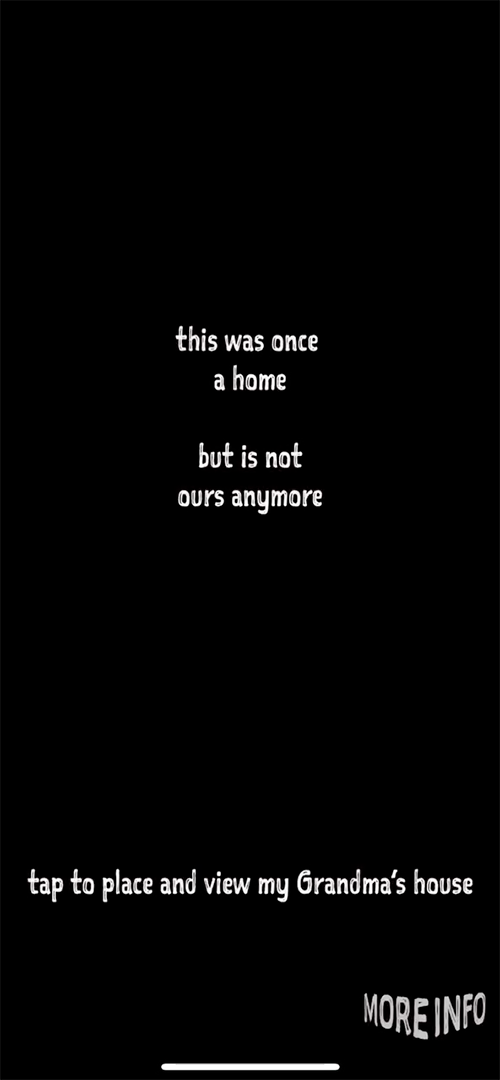
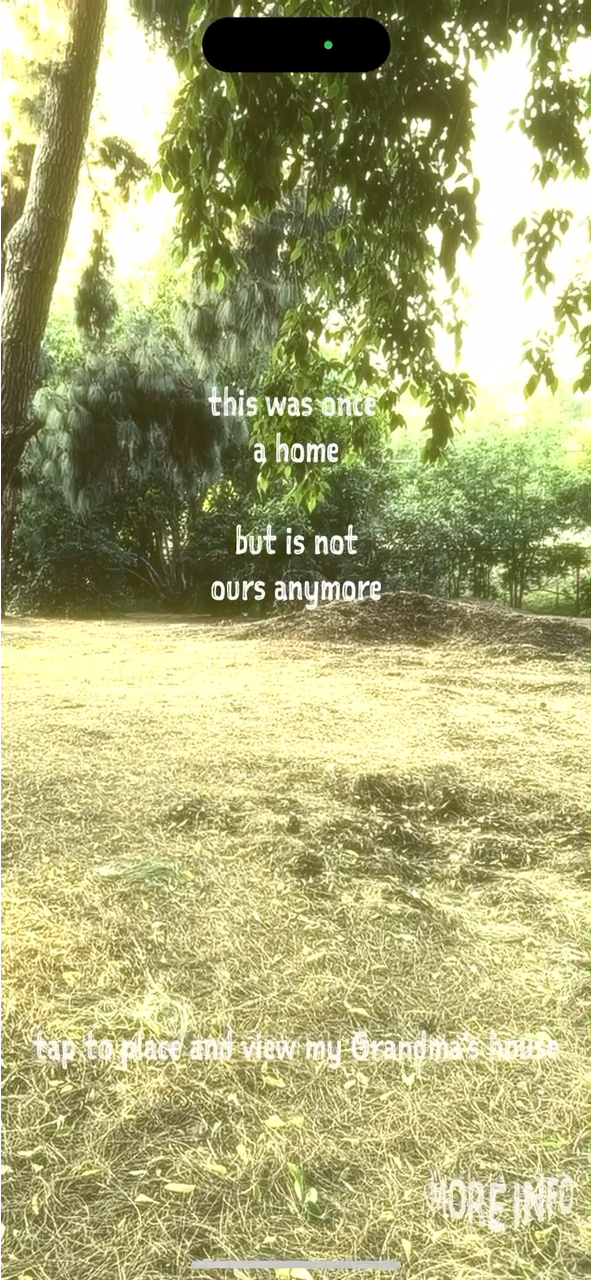
The AR experience overlays this reconstructed space onto the viewer’s present environment, collapsing distinctions between past and present, physical and virtual, personal and collective memory. Spatial audio further expands the work beyond visual representation. A 1911 recording of Aloha ʻOe (“Farewell to Thee”), written by Queen Liliʻuokalani, accompanies the experience. The song’s association with farewell, loss, and homeland introduces a historical and emotional dimension to the reconstructed space, connecting my family’s personal experience to the larger histories of Hawaiʻi’s political and cultural transformation.
The archival filter applied to the AR environment intentionally destabilizes the distinction between historical document and contemporary experience. Rather than presenting the house as an objective reconstruction, the work proposes AR as a speculative archive—one capable of holding fragments of place, memory, history, and longing. Through this process, digital space becomes a means of negotiating what can no longer be physically possessed, asking whether technology can create new forms of belonging when cultural and familial histories have been displaced from their original sites. In addition, creating 1705 and making it available for free on the app store serves to democratize access to space, memory and personal archives.
Big thanks to developer Joseph Moreno for helping me actualize this project!